

“Culture eats strategy for breakfast” is one of the most quoted ideas in leadership — and for good reason. An organisation can have an ambitious strategy, sophisticated systems, strong financial backing and exceptional talent. But if the culture does not support the way people need to work, even the best strategy can struggle to succeed.
An article from Harvard Business Review on aligning culture with strategy and purpose reinforces an important principle: purpose, strategy and culture need to strengthen one another. For CEOs and senior executives, culture cannot simply be considered an HR responsibility. It is a leadership responsibility — and an important dimension of Leadership Effectiveness.

Culture isn’t what’s written on an office wall or shown in company presentations. It’s what people actually experience at work every day. Employees notice what leaders reward, what they tolerate, who gets promoted, how mistakes are handled and what happens when somebody challenges a senior executive.
A company may say teamwork matters. But if people are rewarded only for individual performance, employees quickly understand what really matters. Similarly, a leadership team may encourage openness. But if questioning senior management carries consequences, people quickly learn to remain silent.
This is where Executive Presence, Leadership Influence and Self-Awareness become critical. Leaders shape culture not merely through what they communicate, but through what they consistently demonstrate. McKinsey’s research on why organisational culture matters describes culture through the behaviours, mindsets and beliefs that shape how people work and interact.

Saying culture eats strategy for breakfast does not mean strategy isn’t important. It simply means that even a great strategy wont work without the right culture behind it.
Imagine an organisation pursuing aggressive growth. Its strategy may require faster decisions, greater accountability, collaboration and calculated risk-taking. But if its culture is bureaucratic, defensive or afraid of failure, execution becomes difficult. Similarly, during Organizational Change, a company may have an excellent transformation roadmap. Unless leaders build trust, communicate honestly and help people navigate uncertainty, resistance can overwhelm the strategy.
This is where Strategic Thinking and Change Leadership intersect. Senior leaders need to ask not only, What is our strategy? but also, What behaviours must become normal for this strategy to succeed? That second question connects culture directly to Leadership Impact.
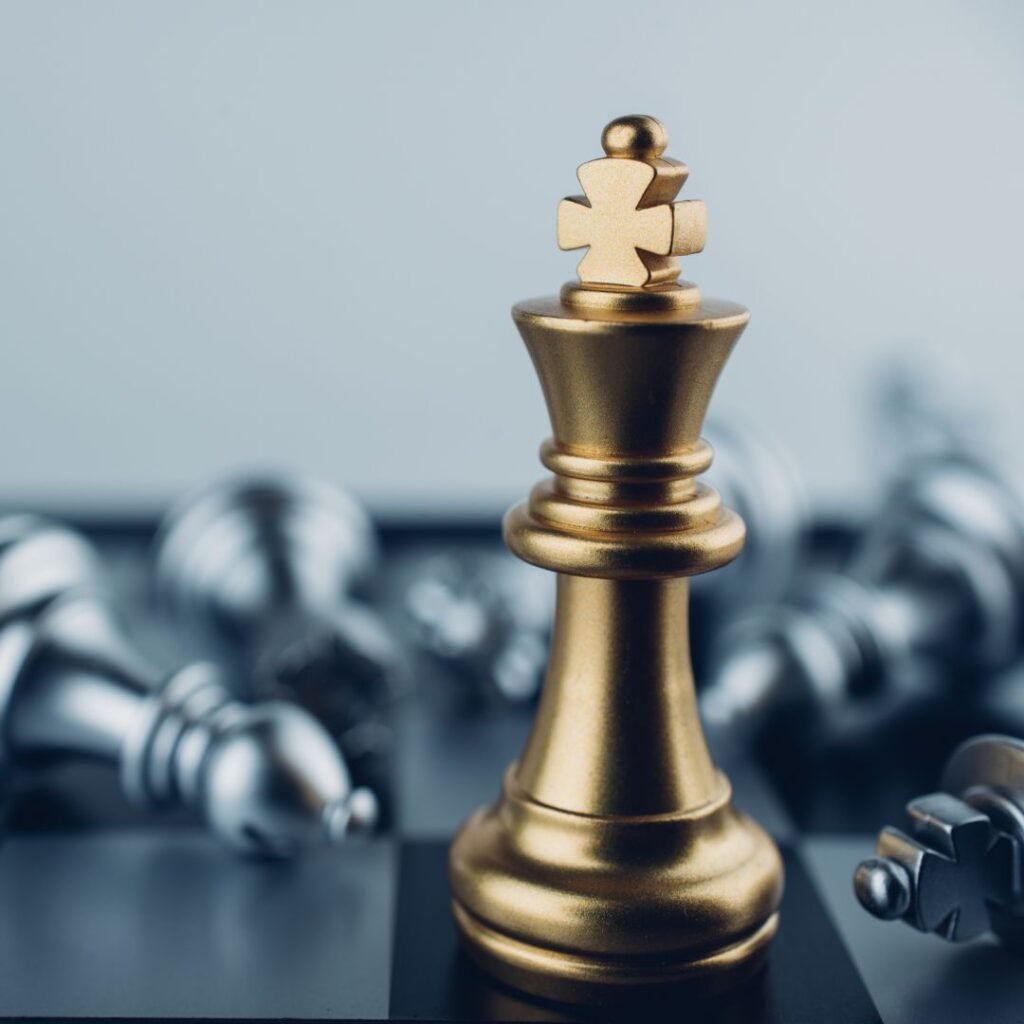
Culture cannot be delegated. If leaders want accountability, they must demonstrate accountability. If they want transparency, they must communicate transparently. If they expect teams to adapt quickly, they need to demonstrate Leadership Agility themselves. And if they want employees to speak openly, they must create an environment where disagreement is safe.
Employees will always notice the gap between what leaders say and what leaders do. Meaningful Leadership Transformation therefore begins at the top. Recent McKinsey research on building healthy cultures likewise highlights the importance of leaders modelling and celebrating desired behaviour.
Some of the strongest messages of culture are never said out loud. Think of a senior executive who delivers great financial results but leaves the team unhappy and demotivated. Everyone recognises the behaviour, yet leadership continues to tolerate it because the executive delivers numbers. The organisation receives a clear message: results matter more than behaviour.
Over time, what starts as an exception becomes normal — and what becomes normal eventually shapes the culture. Strong Team Leadership therefore requires leaders to address behaviours that undermine the organisation, even when those behaviours come from high performers. Creating High-Performance Cultures is not about choosing between people and performance. Sustainable performance requires both.

Its easy to talk about values when everything in the business is going well. Culture becomes visible during High-Stakes Decisions. What happens when revenue falls? How are people treated during restructuring? Does leadership communicate honestly when something goes wrong? Are difficult decisions explained — or simply imposed?
These moments reveal far more about organisational culture than a values statement ever could. They also test Decision-Making, Leadership Confidence and the ability of senior executives to balance immediate commercial pressures with the long-term health of the organisation. For executives preparing for larger responsibilities, these capabilities increasingly become part of Succession Readiness and Boardroom Readiness.

Senior leaders may know what good leadership looks like. The harder task is recognising how their own behaviour is experienced by everyone around them. That requires reflection and Self-Awareness.
Through Executive Coaching & Mentoring at PLCexec, senior leaders can examine their leadership patterns, blind spots, decision-making habits and impact on others. PLCexec works with boards, chief executives and senior leaders across the leadership lifecycle, including executive coaching and culture transformation.
This becomes particularly valuable during a Leadership Transition, when a CEO or CXO inherits an existing culture while simultaneously trying to establish credibility, direction and new expectations. A meaningful Leadership Development Journey goes beyond improving individual capabilities. It helps leaders understand the environment their behaviour creates for everyone else.

Often, it begins with everyday leadership choices. Who gets heard in meetings? How does a leader respond to bad news? Are commitments kept? Are mistakes used for learning or blame? Are difficult conversations handled constructively or avoided?
Repeated consistently, these seemingly small behaviours become organisational norms. That is where Leadership Development, Leadership Growth and High-Performance Leadership move from concepts into practice.
Strategy is about deciding where the organization wants to go. Culture determines how its people behave while getting there. And when leaders truly understand that distinction, culture stops being something they expect HR to manage. It becomes something they choose to live — every single day.
At PLCexec, we partner with boards, CEOs and senior leaders to strengthen leadership capability, navigate transformation and build leadership behaviours that create lasting organisational impact.
Do you want to advance in your leadership role through a comprehensive development plan? If that’s the case, why not approach PLCexec? While we help you lead the team with great panache, the program comes along with real-world leadership experience.
 https://www.plcexec.com/our-services
 cbv@plcexec.com
 +91 98450 00894
